In 1900, Galveston, Texas was the fourth-largest city in the state and one of the wealthiest cities in the American South. Sixty percent of Texas's entire cotton crop moved through its port. The Strand district — the commercial spine of the city — was lined with counting houses, banks, and cotton factors. There were more millionaires per capita in Galveston than almost anywhere else in the United States. It was, by any measure, a city that thought highly of itself.
It was also a barrier island in the Gulf of Mexico with a maximum elevation of 8.7 feet above sea level. Most of the city sat four to five feet above the water. There was no seawall. There was no high ground. There was nowhere to go when the water came.
The Man Who Said It Was Impossible
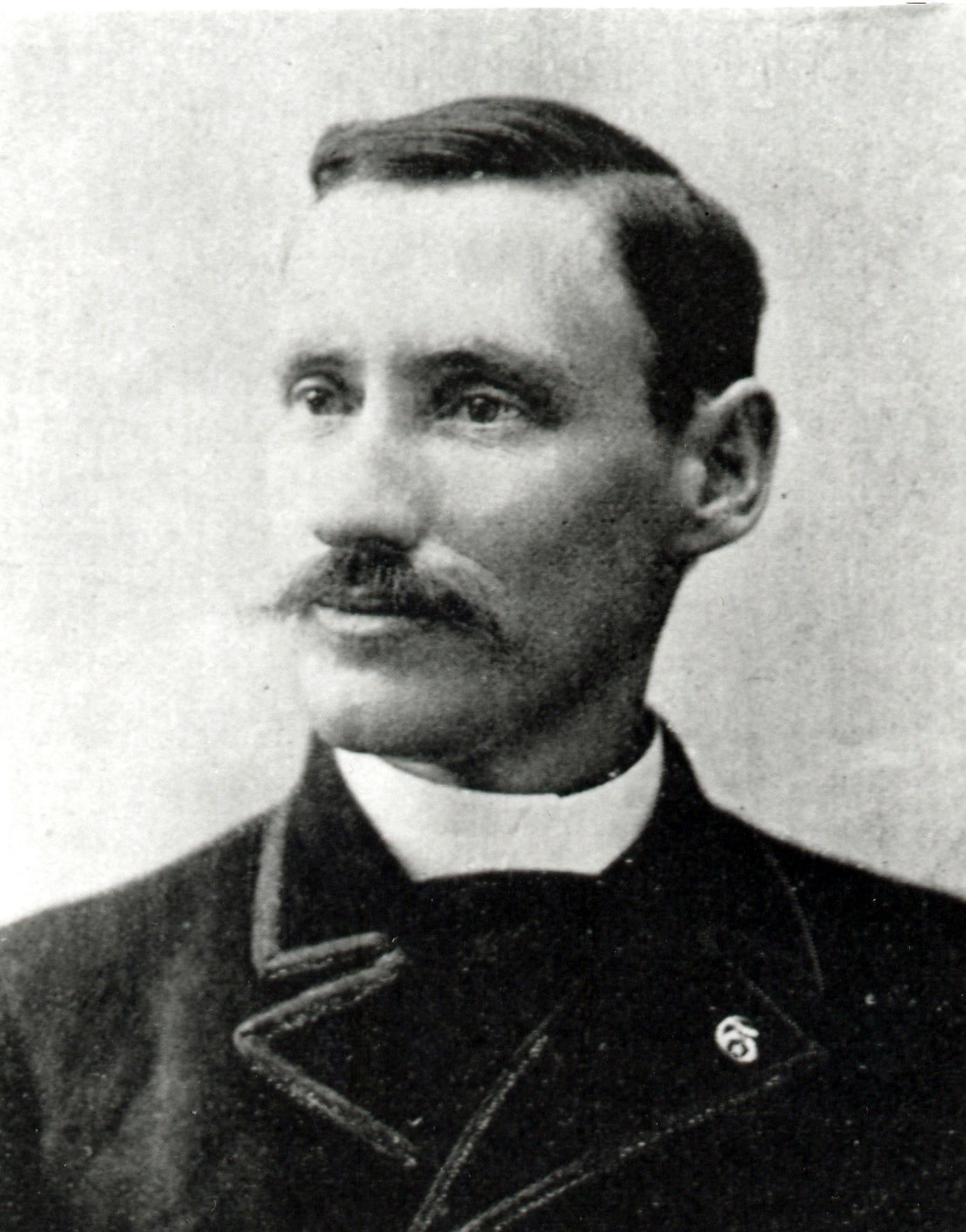
Isaac Monroe Cline had been the U.S. Weather Bureau's chief observer in Galveston for eleven years. He held a medical degree and a doctorate, and he was the official scientific voice on weather matters for the entire Texas Gulf Coast region. On July 16, 1891, he published an article in the Galveston Daily News that made his position on the city's vulnerability explicit.
"The opinion held by some, who are unacquainted with the actual conditions of things, that Galveston will at some time be seriously damaged by such a disturbance is simply an absurd delusion and can only have its origin in the imagination and not from reasoning."
He argued that the gradual slope of the Texas continental shelf would break up any hurricane's storm surge before it reached land, and that the shape of the Texas coastline acted as a natural deflector. A major hurricane striking Galveston, he wrote, was a "scientific impossibility." The article was widely read. Proposals to build a coastal seawall — which some city leaders had been raising — were quietly dropped. There was no point. The chief weatherman had said so.
The Forecast That Was Suppressed
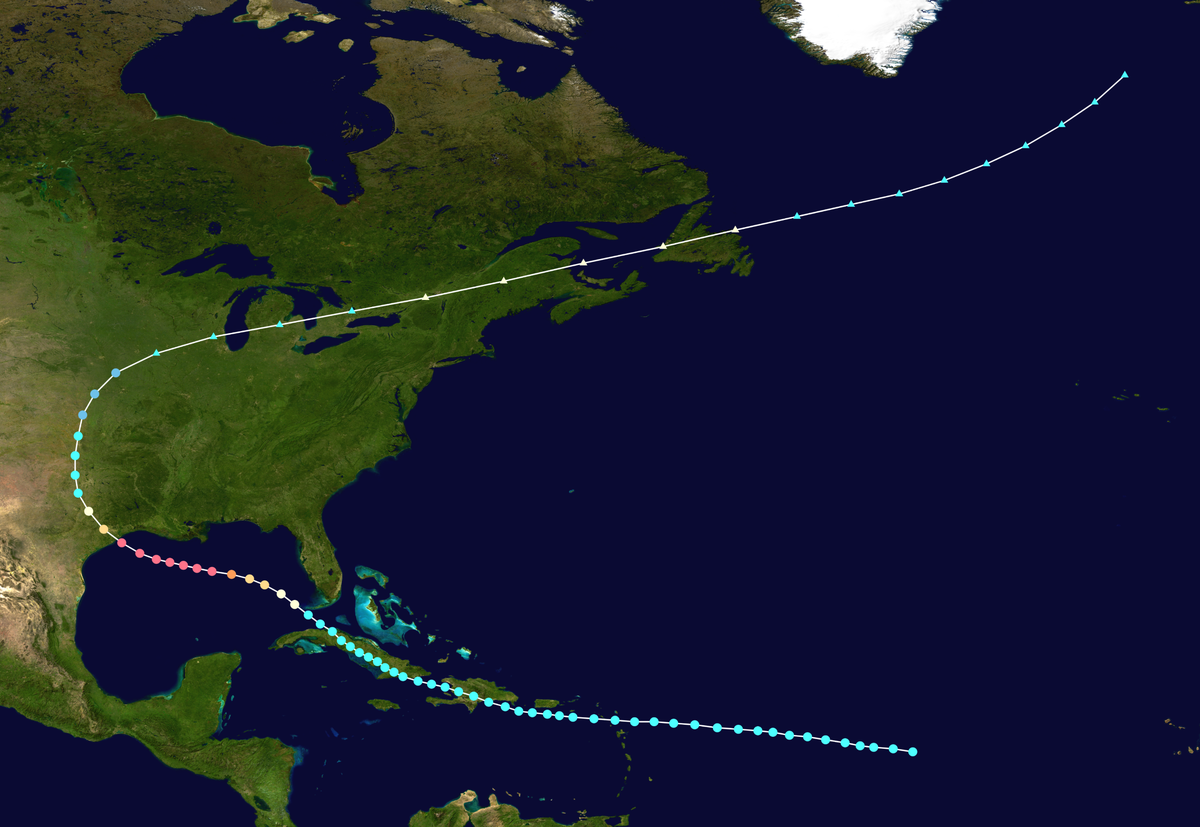
By September 5, 1900, Father Lorenzo Gangoite and his colleagues at the Belen Observatory in Havana, Cuba, had correctly identified where the storm was going. It was tracking west, not north, and it was heading for the Texas Gulf Coast. Cuban meteorologists transmitted this forecast and urged that coastal warnings be issued.
The warning never arrived.
Willis Luther Moore, director of the U.S. Weather Bureau in Washington, had implemented a policy of blocking Cuban forecast data from reaching American weather stations. He had banned direct telegraph communication between Havana meteorologists and the New Orleans bureau office. He had directed Western Union to assign lowest priority to Cuban weather messages. He had prohibited official U.S. Weather Bureau reports from using the words "hurricane," "tornado," or "cyclone" — forecasters were required to use euphemisms that understated severity. Moore dismissed Cuban meteorology as the product of "a backward people," despite the fact that Cuba's Jesuit observatory had been the most accurate hurricane forecasting operation in the Western Hemisphere for decades.
The U.S. Weather Bureau's official forecast redirected the storm northward, toward the East Coast. No meaningful evacuation warning was ever given to Galveston. Moore faced no significant professional consequences after the disaster.
September 8
The morning of September 8, 1900 was unusual but not alarming. The surf was rough. The sky was overcast. Some residents had noticed the Gulf swells arriving at unusually long intervals — a pattern experienced mariners recognized as the signature of a distant major storm — but children were playing in the low flooding that had already accumulated in the streets. Most people thought it was a bad Saturday.
By 3:30 PM, Cline telegraphed Washington: "Gulf rising rapidly. Half the city now under water."
Around 6:00 PM, the full storm surge hit. Survivors described the water rising four feet in four seconds. It was not a gradual flood. By 8:30 PM, five more feet had pushed into the city. The total surge height reached 15 to 16 feet above normal sea level — nearly double the island's maximum elevation. The entire island submerged.
A six-year-old boy named King Vidor, who would later become a famous film director, looked down the beach and saw the waves crashing against the streetcar trestle: "I could see the waves crash against the streetcar trestle then shoot into the air as high as the telephone poles. Higher."
Louisa Hansen, writing to a friend shortly afterward: "The house was shaking and the shingles were flying off... the water came into the first story, and then the house went to pieces. The roof fell on us, but we managed to get from under it. Papa had mamma in his arms; the water took them out of sight in an instant. I caught hold of a part of the roof... how I ever managed to live is a mystery to me."
The night lasted hours. Houses broke apart under the weight of debris carried by the surge. The Cline house was struck by a rolling streetcar trestle around 7:30 PM and began to spin and disintegrate. Isaac Cline's wife Clara — who was pregnant — was killed. Her body was not recovered until October 3. Cline's brother Joseph survived by lunging backward through a window into the storm, grabbing two of his nieces, and clinging to wreckage through the night.
The Storm
Date: September 8–9, 1900
Storm surge: 15–16 feet above normal sea level
Island maximum elevation: 8.7 feet
Peak sustained winds: estimated 120–145 mph
Death toll: approximately 8,000 (estimates range to 12,000)
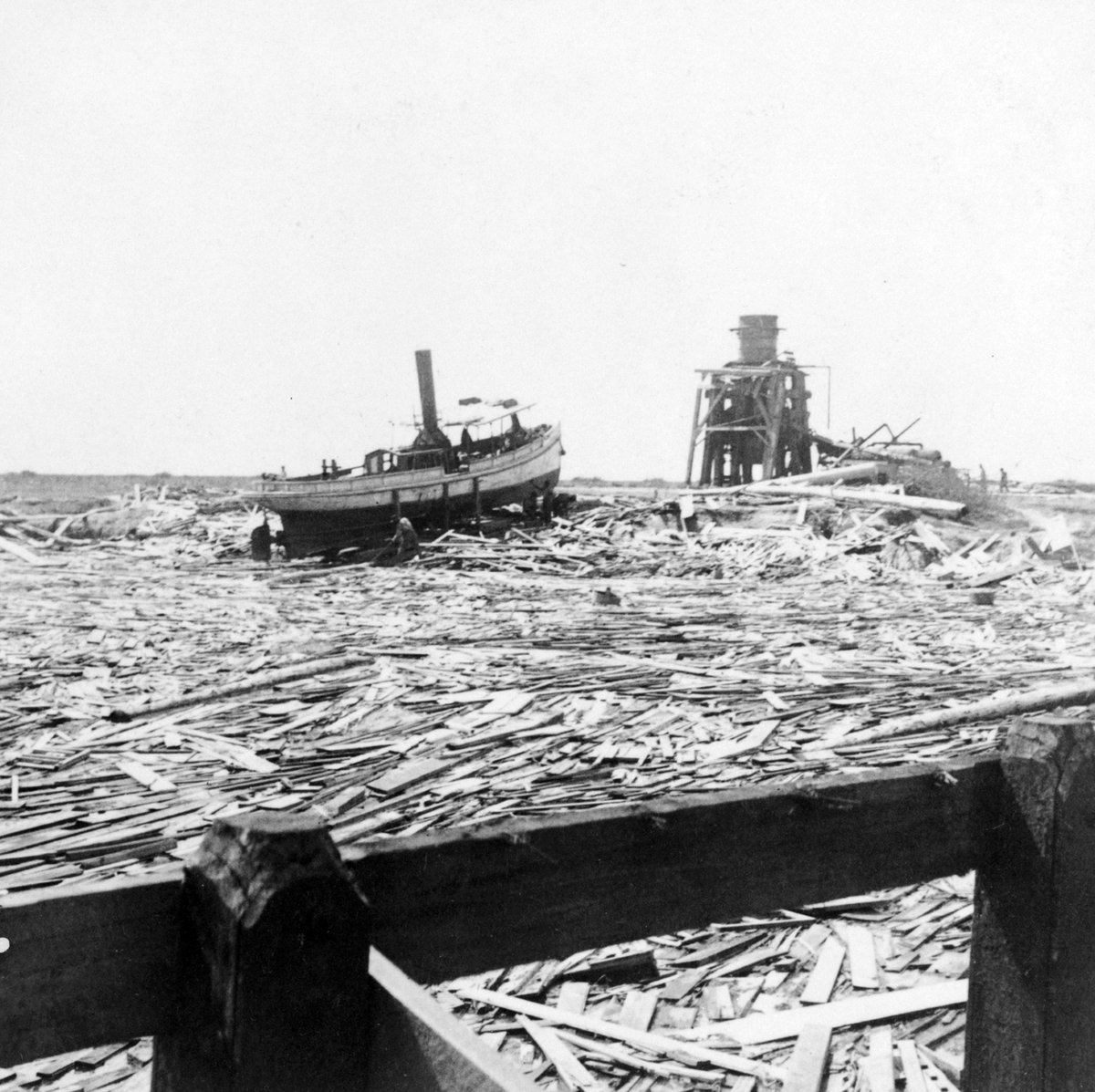
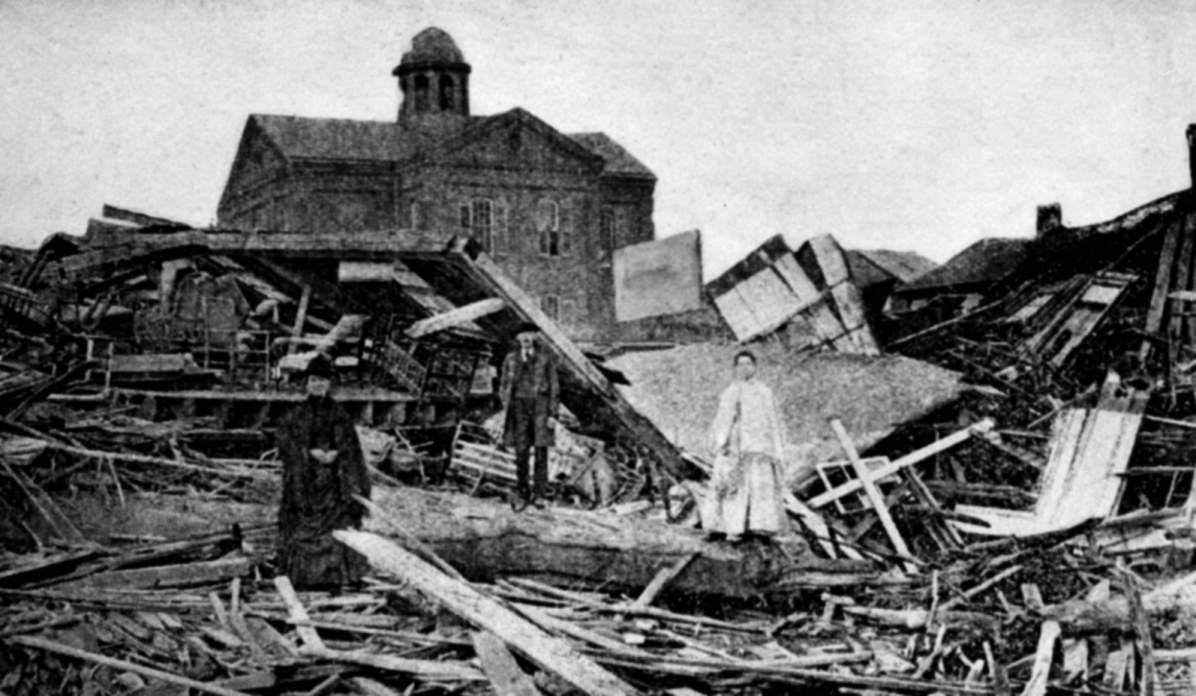
Buildings destroyed: 3,600+ structures; entire 30-block sections swept clean
Still the deadliest natural disaster in U.S. history
The Accounting
John D. Blagden, a temporary Weather Bureau assignment who survived, wrote to his family in Minnesota: "Hundreds are busy day and night clearing away the debris and recovering the dead. It is awful. Every few minutes a wagon load of corpses passes by on the street."
Approximately 8,000 people died in Galveston proper. Including the immediate mainland, estimates run as high as 12,000. The most widely cited figure is 8,000 — roughly 20 percent of the island's population in a single night. The death toll remains the highest of any natural disaster in American history, exceeding all subsequent hurricanes, earthquakes, tornadoes, and floods in the national record.
The body disposal problem was immediate and brutal. Approximately 700 bodies were loaded onto barges and dumped at sea. Gulf currents returned most of them to the beaches within days. Funeral pyres were constructed throughout the city. They burned through October and into November. During the first month, approximately 70 bodies per day were still being recovered from the rubble.
The Cline Controversy
Isaac Cline survived. In the years afterward, and in his 1945 memoir Storms, Floods and Sunshine, he described himself as the hero of the disaster: a man who had ridden his horse along the beach on the morning of September 8, warning residents in low-lying areas to move to higher ground, saving thousands of lives through personal initiative.
The historical record does not support this portrait.
Cline's own contemporaneous report to the Weather Bureau, filed within days of the storm, does not describe the dramatic beach warning ride he later memorialized. None of the many survivor accounts — and there are dozens of first-person accounts in the published record — corroborate personal encounters with Cline warning them on the beach. The logistics are also questionable: the island's maximum elevation was 8.7 feet. There was no high ground to move to. A man on a horse telling beachgoers to "move to higher ground" on a flooding island with nowhere safe to go would have limited practical effect regardless of his personal courage.
The more uncomfortable accounting belongs to the previous decade. The man who cast himself as Galveston's last-minute savior had spent nine years before the storm actively declaring that a seawall was unnecessary, that a major hurricane was impossible, that the critics urging coastal protection were operating from "imagination and not from reasoning." Whatever Cline did on September 8, 1900, it cannot be separated from what he had done in the nine years before it.
What They Built Afterward
The engineering response to the Galveston hurricane is one of the most ambitious construction projects in American history.
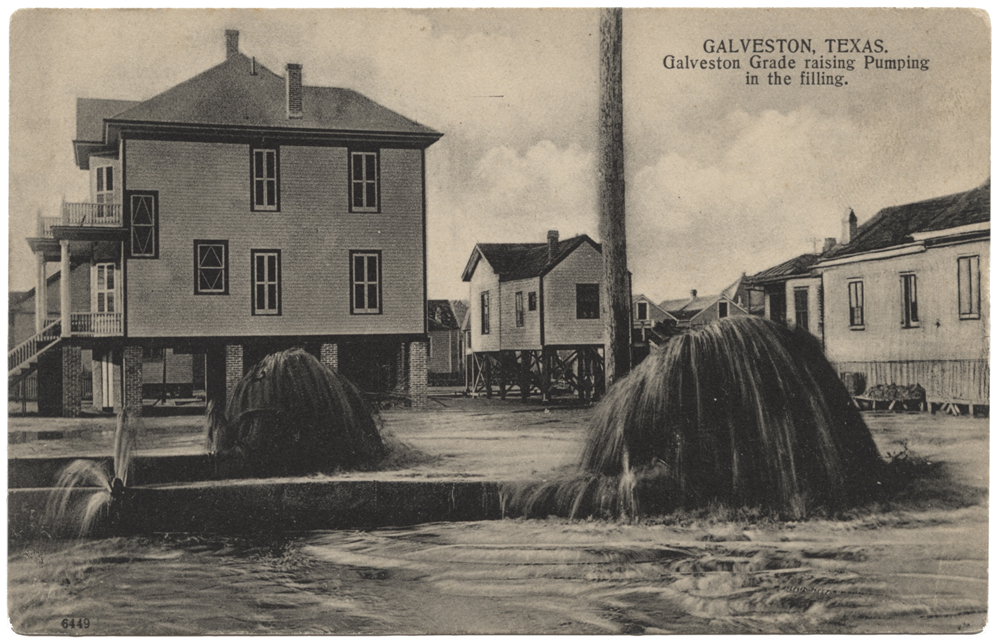
The seawall was begun in September 1902 and completed its initial 3.3-mile segment in 1904. It stands 17 feet above mean low tide — one foot higher than the 1900 storm surge. Its seaward face curves outward to deflect wave energy. Its base is protected by 27 feet of granite riprap extending into the Gulf. It was eventually extended to over 10 miles and has never been overtopped by a storm surge.
The grade raising was more extraordinary. The entire city — approximately 500 city blocks — was raised. Sand was dredged from Galveston Harbor and pumped as slurry through a canal system, injected under existing buildings while they were lifted on hand-turned jackscrews. Approximately 2,000 buildings were raised, including a 3,000-ton church moved five feet. The elevation increase ranged from a few inches to 17 feet depending on location. 16.3 million cubic yards of sand were used. The work ran from 1903 to 1911.
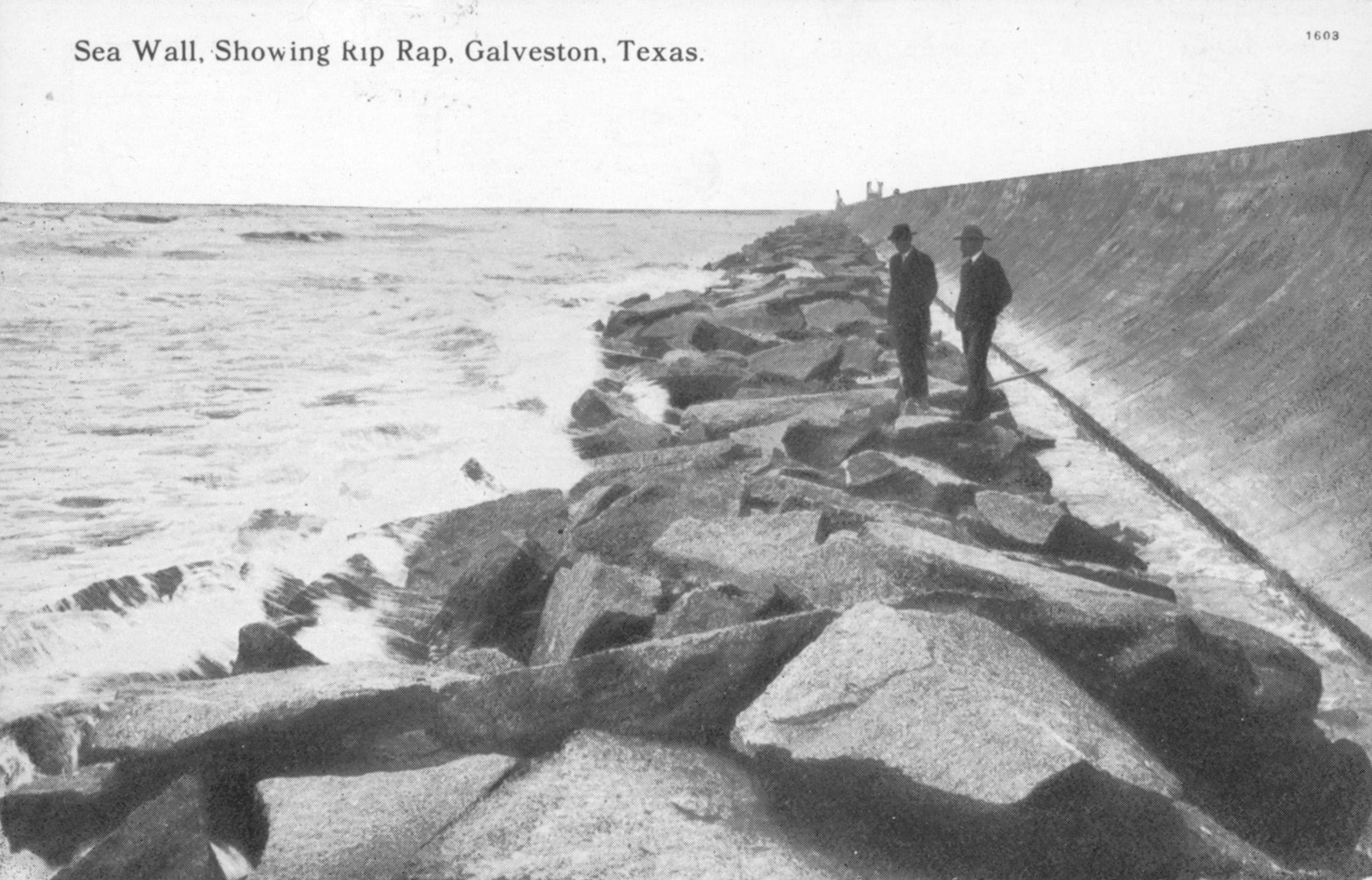
The 1915 hurricane struck Galveston at comparable intensity to the 1900 storm. The death toll was 275. The seawall held. The Galveston News reported that "the sea wall built to protect the city has stood the test."
Willis Moore was eventually forced out of the Weather Bureau in 1913 under multiple corruption and misconduct allegations, though not specifically for Galveston. The forecasting failures of 1900 led to expanded international cooperation, wireless weather communication with ships at sea, and the gradual end of the policy that had suppressed Cuban hurricane data.
Galveston never recovered its pre-1900 position. The great cotton merchants and financial houses began looking inland. In 1914, the Houston Ship Channel was deepened, completing the transfer of maritime commerce. Houston, which had been smaller than Galveston in 1900, became the dominant Texas metropolis. Galveston today is a tourist city of about 50,000 people: a fraction of what its pre-storm trajectory would have produced.
The seawall still stands. The city that built it — the one that had been told it was safe, whose chief weatherman had declared danger impossible — is smaller and quieter than it might have been. The wall it built when it knew better is the thing that has lasted.
Works Cited
- 1900 Galveston Hurricane — Wikipedia
- Larson, E. (1999). Isaac's Storm. Crown Publishers. The primary source for the Cline memoir controversy and Cuban forecast suppression.
- Galveston Hurricane of 1900 — Texas State Historical Association
- Greene, C.E. & Kelly, S.H. (eds.) (2000). Through a Night of Horrors: Voices from the 1900 Galveston Storm. Texas A&M University Press. Primary survivor accounts.
- Isaac Cline — Wikipedia
- Galveston Seawall — Wikipedia
- Galveston Seawall and Grade Raising — American Heritage / ASCE
- Cline, I.M. (1945). Storms, Floods and Sunshine. Pelican Publishing. [Cline's memoir, the disputed primary source for his beach warning account.]
- Galveston 1900: 125 Years After the Storm — Origins (Ohio State University)
- Herald of the Storms: Isaac Cline — National Archives blog
- Galveston 1900 and the U.S. Weather Bureau — Hurricanes History
- Galveston, September 8, 1900 — American Heritage